Author name: admin

Uncategorized

Pet-Friendly Smart Devices Every Owner Should Know About

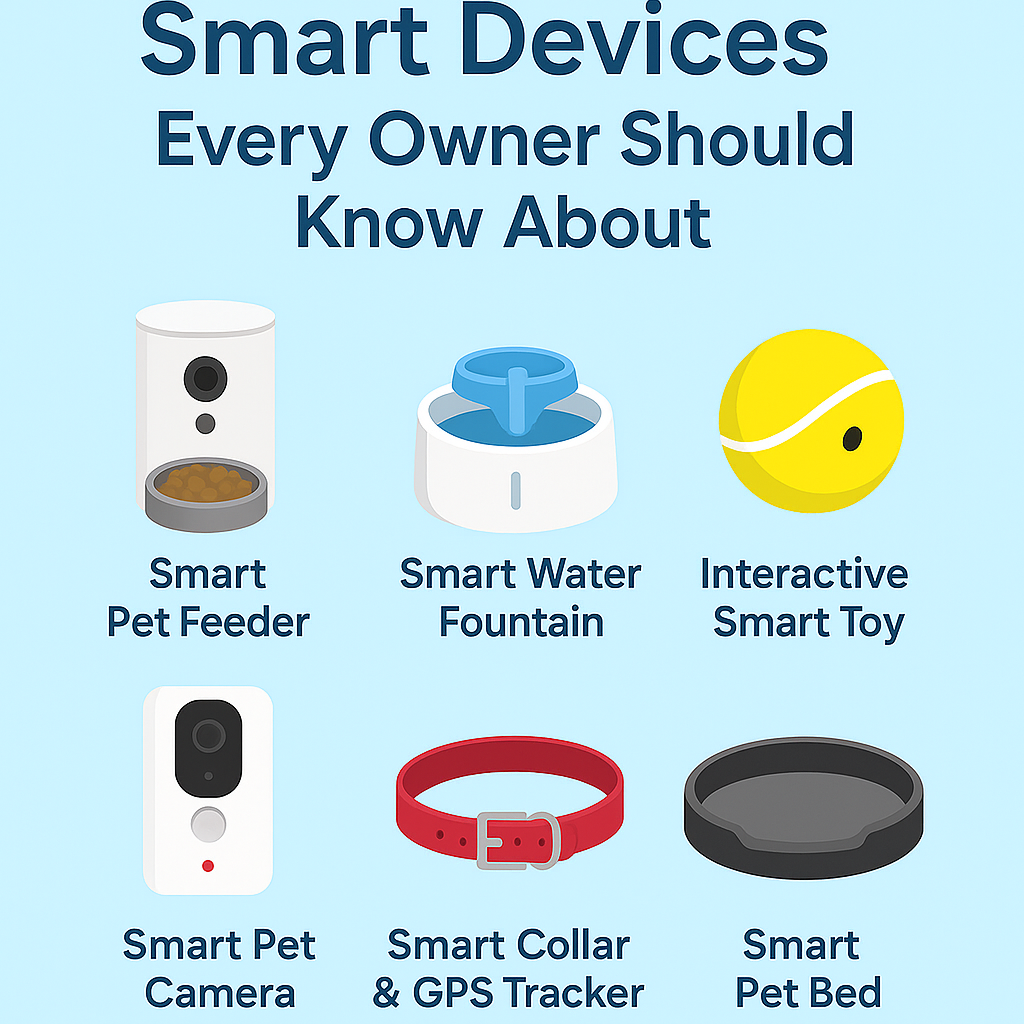
As technology continues to simplify our lives, pet care has also become smarter than ever. From feeding and tracking to playing and ensuring safety, smart devices are transforming how pet parents care for their furry friends — even when they’re away.If you’re a pet owner who wants to make life easier and safer for your pet, here are some of the best pet-friendly smart devices worth knowing about. 🦴 1. Smart Pet Feeders – Never Miss a Meal Again Smart feeders are a lifesaver for busy pet parents. They allow you to schedule and control feeding times directly from your phone, ensuring your pet eats on time even when you’re not home.Some advanced models even have portion control and camera features, so you can monitor your pet’s eating habits. Popular picks: Benefits:✅ Scheduled feeding✅ Remote control via app✅ Ideal for maintaining a healthy diet 💧 2. Smart Water Fountains – Fresh Water, Always Hydration is just as important as food. Smart fountains keep water circulating and filtered, encouraging your pets to drink more often.Most models come with auto shut-off, filter replacement reminders, and Bluetooth or Wi-Fi connectivity for real-time updates. Popular picks: Benefits:✅ Clean, oxygen-rich water✅ Healthier hydration✅ Low maintenance 🎾 3. Interactive Smart Toys – Keep Them Active and Engaged Smart toys are perfect for pets who get bored easily. These devices use sensors and motion technology to keep your furry friend entertained and mentally stimulated.Some even let you control play sessions remotely, making them great for pets left alone during the day. Popular picks: Benefits:✅ Reduces anxiety and boredom✅ Promotes exercise✅ Interactive playtime when you’re away 📹 4. Smart Pet Cameras – Stay Connected Anytime Missing your pet while you’re out? Smart cameras let you watch, talk, and even toss treats remotely.With two-way audio and night vision, these devices help you check in and comfort your pet anytime from your smartphone. Popular picks: Benefits:✅ Real-time monitoring✅ Built-in treat dispenser✅ Two-way communication 🐕 5. Smart Collars & GPS Trackers – Safety First A smart collar is more than just a fashion accessory — it’s a powerful safety tool. GPS-enabled collars help you track your pet’s location, monitor activity levels, and even analyze health data like sleep and heart rate. Popular picks: Benefits:✅ Real-time tracking✅ Fitness insights✅ Peace of mind during outdoor adventures 🛏️ 6. Smart Pet Beds – Comfort Meets Technology Yes, even pet beds are getting smarter! These beds come with temperature control, motion sensors, and sometimes even heart rate monitoring to ensure your pet is comfortable and healthy while resting. Popular picks: Benefits:✅ Temperature regulation✅ Health tracking✅ Extra comfort 💡 Final Thoughts Home automation isn’t just for humans anymore. With these pet-friendly smart devices, you can ensure your pets are happy, healthy, and safe — whether you’re home or away.Smart pet tech is not only about convenience but also about strengthening the bond between you and your pet, giving you more peace of mind and them a better quality of life.

Uncategorized

Beyond Alexa: Voice Assistants You Didn’t Know Could Power Your Home

When you think of voice-controlled smart homes, names like Alexa, Google Assistant, and Siri probably come to mind. These voice assistants have become household staples — controlling lights, playing music, or setting reminders with just a word. But what if we told you there’s a whole world beyond Alexa, filled with powerful, customizable, and even more private voice assistants that can also run your smart home? Whether you’re a tech enthusiast, a privacy-first user, or someone seeking a more flexible solution, this blog dives into lesser-known but impressive voice assistants that deserve a spot in your smart home setup. 🧠 1. Mycroft: The Open-Source Powerhouse Best for: Tech-savvy users and privacy advocates Why it stands out:Mycroft is a completely open-source voice assistant. That means you can see and control the code, ensuring no hidden data collection and allowing full customization. It can be installed on Linux devices, Raspberry Pi, or even its own smart speaker, the Mark II. Home Automation Compatibility:It works well with open-source home automation platforms like Home Assistant and OpenHAB, allowing voice control over lights, thermostats, locks, and more. “Mycroft doesn’t listen to sell — it listens to serve.” 🧠 2. Almond: The Privacy-Focused AI from Stanford Best for: Security-conscious smart home users Why it stands out:Almond is developed by Stanford University and emphasizes local data processing. Your commands and personal data stay within your device, unlike Alexa or Google which rely on cloud servers. Home Automation Compatibility:Almond integrates with Home Assistant, Philips Hue, and even Sonos. You can control routines and devices with natural voice commands — all while keeping your data secure. 🧠 3. Snips (Now Part of Sonos): The Offline Genius Best for: Brands and developers (but some DIY use possible) Why it stands out:Originally designed for completely offline voice control, Snips was acquired by Sonos to bring private voice commands to smart speakers. Though not widely available for DIY use anymore, it represents a growing movement toward offline voice tech that doesn’t rely on big tech servers. Note: For DIY users, forks and alternatives based on Snips still exist and are being integrated into local automation platforms. 🧠 4. Leon: The Minimalist Assistant for Developers Best for: Developers and tinkerers Why it stands out:Leon is a customizable, privacy-first assistant you can run on your own server or PC. It’s ideal for creating simple automation, notifications, and even home control — all without sending a single byte to the cloud. Home Automation Compatibility:Customizable for smart home control using scripts and third-party APIs. 🧠 5. Home Assistant’s Voice Project: The Future of Local Control Best for: Smart home users already using Home Assistant Why it stands out:Home Assistant, the popular DIY home automation platform, is now building its own fully local voice assistant as part of its ongoing mission to keep everything offline and private. Why it’s exciting:With multi-language support, intent recognition, and no cloud reliance, it’s designed to give you the freedom to control your smart home privately and efficiently. 🤖 Why Go Beyond Alexa? Here’s why you might want to explore these alternatives: 🚀 Final Thoughts Alexa, Siri, and Google Assistant are great — but they’re not the only choices. If you’re serious about smart home control, care about privacy, or just love tech, exploring alternative voice assistants opens up a world of possibilities. Smart homes are evolving. Your voice assistant should too.

Uncategorized

The Best Smart Thermostats in 2025 (Pros, Cons, & Features)

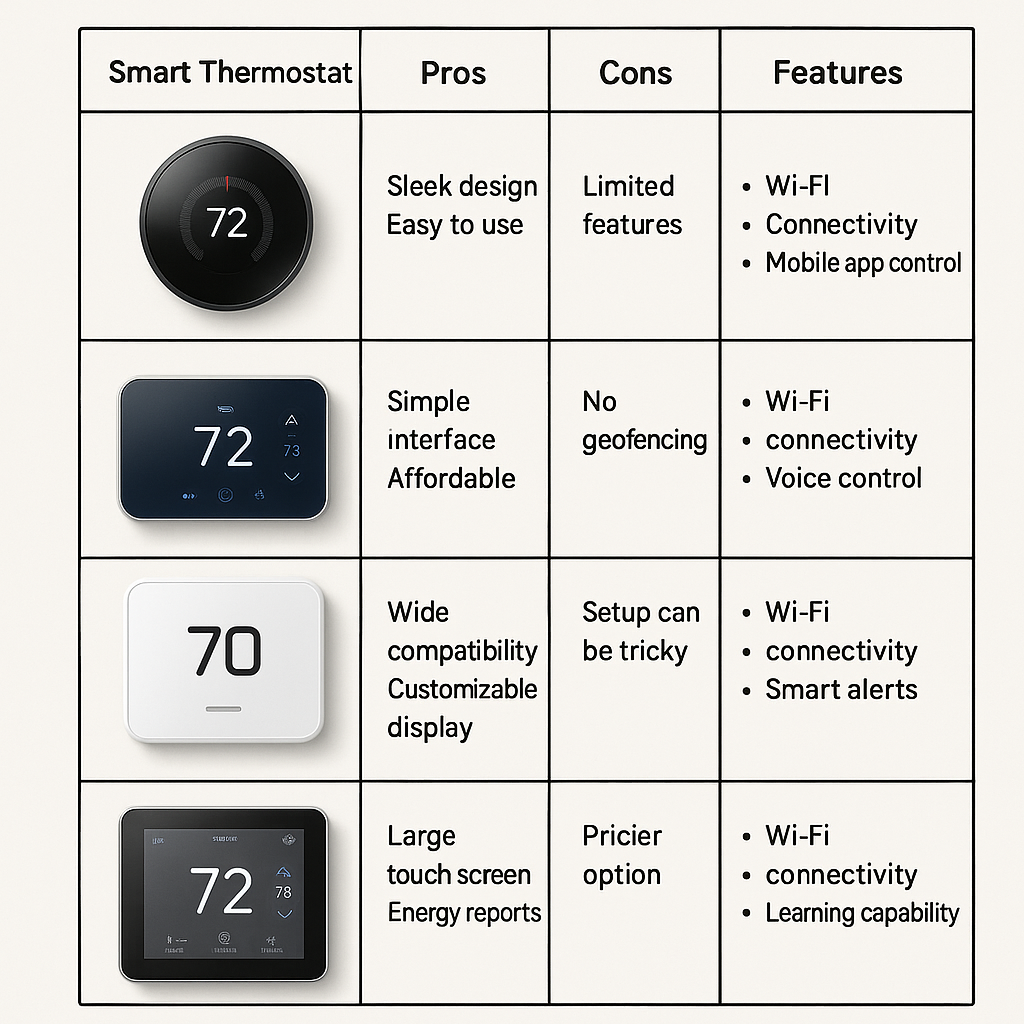
In 2025, smart thermostats have evolved beyond simple temperature control. They now offer AI-powered automation, real-time energy insights, and seamless integration with your smart home ecosystem. Whether you’re looking to save on electricity bills or enjoy better comfort, choosing the right smart thermostat can make a big difference. In this blog, we’ll explore the top smart thermostats of 2025, breaking down their features, pros, and cons to help you find the best fit for your home. 🔥 Why Upgrade to a Smart Thermostat in 2025? Before we dive into the list, here’s why smart thermostats are worth the upgrade: 🏆 Top Smart Thermostats of 2025 1. Google Nest Learning Thermostat (5th Gen) Best for: Smart home enthusiasts & Google ecosystem users ✅ Features: 👍 Pros: 👎 Cons: 2. Ecobee Smart Thermostat Premium Best for: Apple HomeKit users & multi-room temperature control ✅ Features: 👍 Pros: 👎 Cons: 3. Amazon Smart Thermostat 2.0 Best for: Budget-friendly automation ✅ Features: 👍 Pros: 👎 Cons: 4. Honeywell Home T10 Pro Smart Thermostat Best for: Advanced zoning and HVAC control ✅ Features: 👍 Pros: 👎 Cons: 5. Mysa Smart Thermostat for Electric Heating Best for: Homes with baseboard heaters or high-voltage systems ✅ Features: 👍 Pros: 👎 Cons: 📊 Comparison Table (2025) Thermostat Best For Voice Assistants Price Range Key Feature Nest 5th Gen Learning & Style Google, Alexa ₹18,000–₹22,000 AI auto-schedule Ecobee Premium Multi-room comfort Alexa, Siri ₹20,000–₹25,000 Smart sensors Amazon 2.0 Budget users Alexa ₹6,000–₹8,000 Low-cost automation Honeywell T10 HVAC Zoning Alexa, Google ₹20,000–₹26,000 Zoning controls Mysa High-voltage homes Alexa, Siri, Google ₹12,000–₹16,000 Electric heat support 🧩 Final Thoughts: Which Smart Thermostat Should You Buy? The right smart thermostat depends on your home’s heating system, budget, and ecosystem preference: With rising electricity costs and the push for energy efficiency, investing in a smart thermostat in 2025 is both smart and sustainable.

Uncategorized

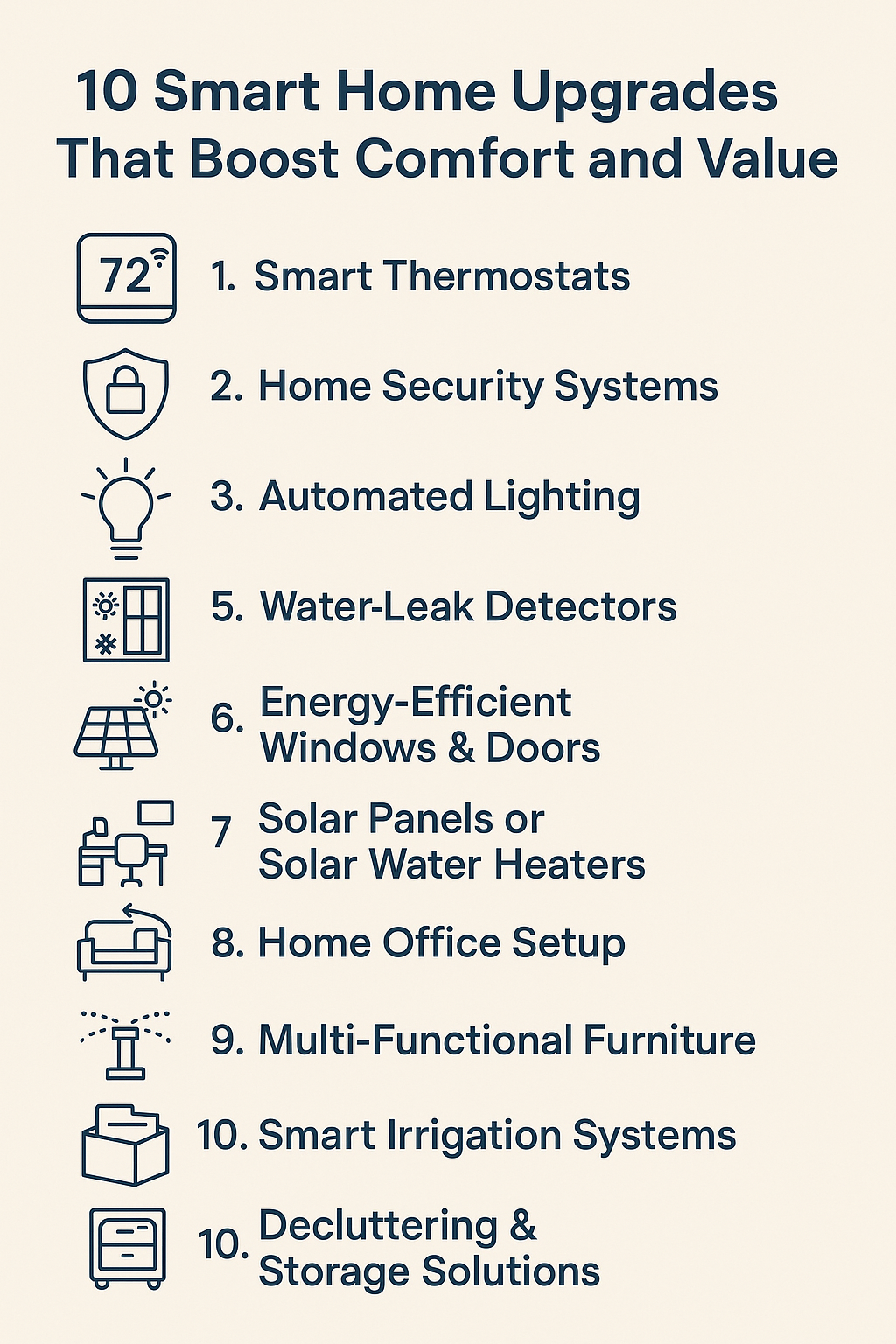
10 Smart Home Upgrades That Boost Comfort and Value

Your home is more than just a place to live—it’s a reflection of your lifestyle, comfort, and future investment. With the rise of smart technology and innovative home solutions, upgrading your space can not only improve your day-to-day life but also increase the value of your property. Whether you’re planning to stay long-term or thinking of selling, here are 10 smart home upgrades that deliver real benefits in both comfort and market appeal. 1. Smart Thermostats : Comfort Meets Cost Savings Modern smart thermostats like Nest or Ecobee learn your routines and adjust temperatures automatically, saving energy without compromising comfort. Control them from your phone, set schedules, and reduce utility bills—making them a top pick for any smart home. 2. Home Security Systems for Peace of Mind Today’s security systems offer much more than alarms. From video doorbells and smart cameras to motion sensors and remote access, you can monitor your property anytime, anywhere. It’s not just safer—it’s smarter. 3. Automated Lighting Systems Smart bulbs and lighting systems let you control brightness, color, and timing through voice or app control. Schedule lights to turn on before you get home, or set the perfect mood for movie night. Energy-efficient and customizable, they’re an easy upgrade with a big impact. 4. Water Leak Detectors: Prevent Damage Early Water leaks can cause serious damage before you even notice them. Smart leak detectors send instant alerts to your phone when moisture is detected, helping prevent mold, rot, and costly repairs. 5. Energy-Efficient Windows and Doors Insulated windows and doors don’t just keep your home warmer in winter and cooler in summer—they also reduce noise and boost curb appeal. Over time, they pay for themselves in energy savings and increased home value. 6. Solar Panels or Solar Water Heaters Harnessing solar energy is one of the most sustainable upgrades you can make. With incentives and rebates often available, solar panels and heaters can dramatically cut utility bills while increasing home appeal to eco-conscious buyers. 7. Home Office Setup: Designed for Productivity With remote work becoming more common, a well-designed home office is a major asset. Invest in ergonomic furniture, soundproofing, and smart lighting to create a productive, stylish space. 8. Multi-Functional Furniture If you’re short on space or love minimalism, multi-functional furniture—like fold-out desks, hidden storage beds, or expandable dining tables—can make a big difference. Smart design improves flow and functionality. 9. Smart Irrigation Systems Stop overwatering your lawn and garden. Smart irrigation systems adjust based on weather, soil type, and plant needs, conserving water while keeping your yard healthy. 10. Decluttering & Creative Storage Solutions From custom-built shelving to under-stair storage, small changes can create big improvements in how you use your space. A clutter-free home not only feels better—it sells better. Ready to Transform Your Home? Smart home upgrades aren’t just about technology—they’re about creating a space that works better for you. Whether you’re interested in saving energy, boosting security, or simply living more comfortably, these 10 ideas are a great place to start.

Uncategorized

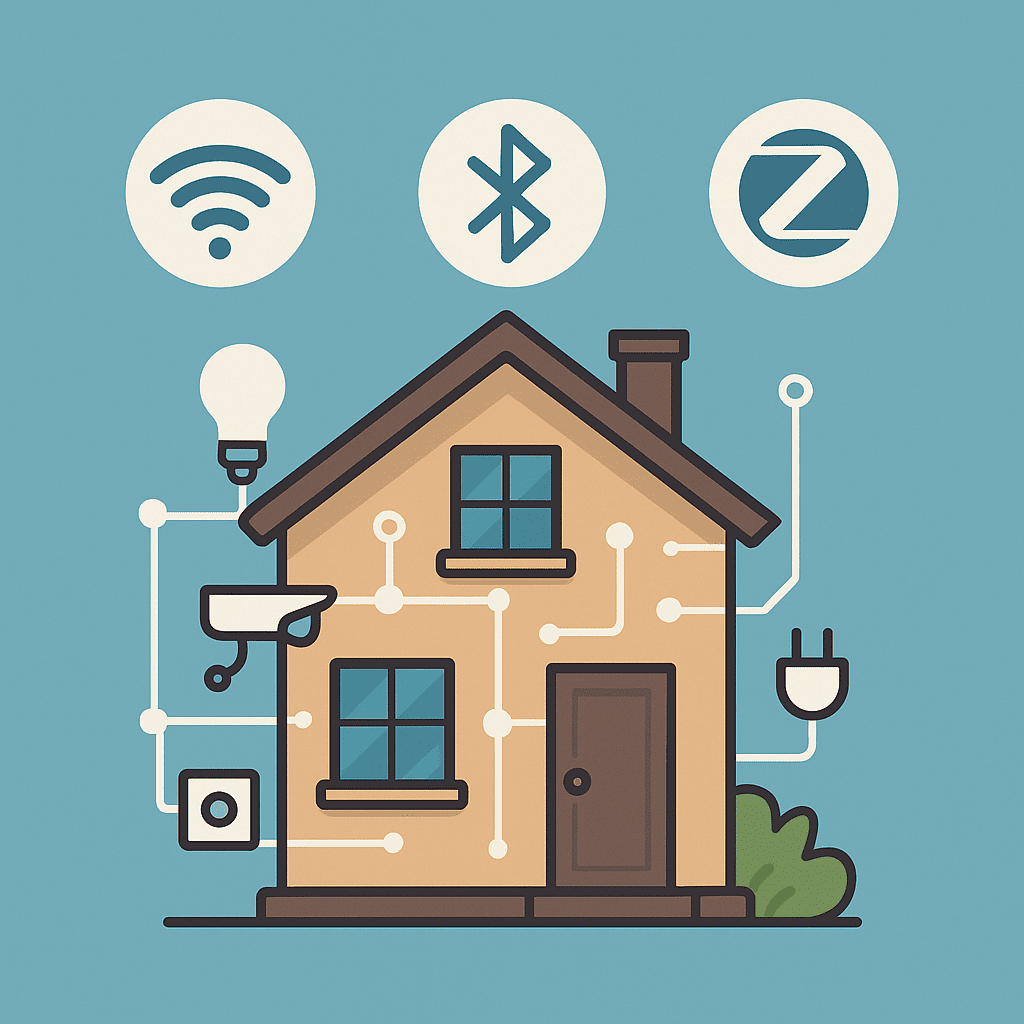
Wi-Fi, Bluetooth, Zigbee – Which Smart Home Tech Should You Choose?

Smart home automation is all about making life simpler, safer, and more efficient — but choosing the right connectivity protocol is key to making it all work seamlessly. Whether you’re setting up a few smart lights or an entire intelligent ecosystem, understanding the difference between Wi-Fi, Bluetooth, and Zigbee can help you choose what’s best for your needs. Let’s break them down. 🔹 1. Wi-Fi – Best for Speed & Internet-Connected Devices How it works:Wi-Fi connects smart devices directly to your home router, enabling internet access for things like smart cameras, voice assistants, and thermostats. Pros: Cons: Best For:Smart TVs, security cameras, video doorbells, smart speakers 🔹 2. Bluetooth – Great for Simplicity & Close-Range Control How it works:Bluetooth creates a direct connection between devices and a phone or hub over short distances. Pros: Cons: Best For:Smart locks, fitness trackers, smart lighting (within the same room) 🔹 3. Zigbee – Best for Expanding Smart Home Ecosystems How it works:Zigbee uses a mesh network where devices communicate with each other and pass signals along to cover greater distances. Pros: Cons: Best For:Smart sensors, motion detectors, smart lighting, large multi-device networks 🧠 So, Which One Should You Choose? Scenario Best Option Small setup with internet-based control Wi-Fi One-room automation or wearable syncing Bluetooth Large home with many connected devices Zigbee At Xsys, we help you build the right combination — many homes today benefit from a hybrid approach, using Wi-Fi for high-data devices, Bluetooth for quick pairing, and Zigbee for low-power smart sensors. ✅ Xsys Recommends: Ask the experts: At Xsys, we help you design, install, and scale your smart home setup without the tech headaches. Start small: Pick a primary device and choose a system that integrates well. Plan scalability: Use Zigbee if you plan to add many smart devices.

Uncategorized

How to Build a Smart Morning Routine with Automation

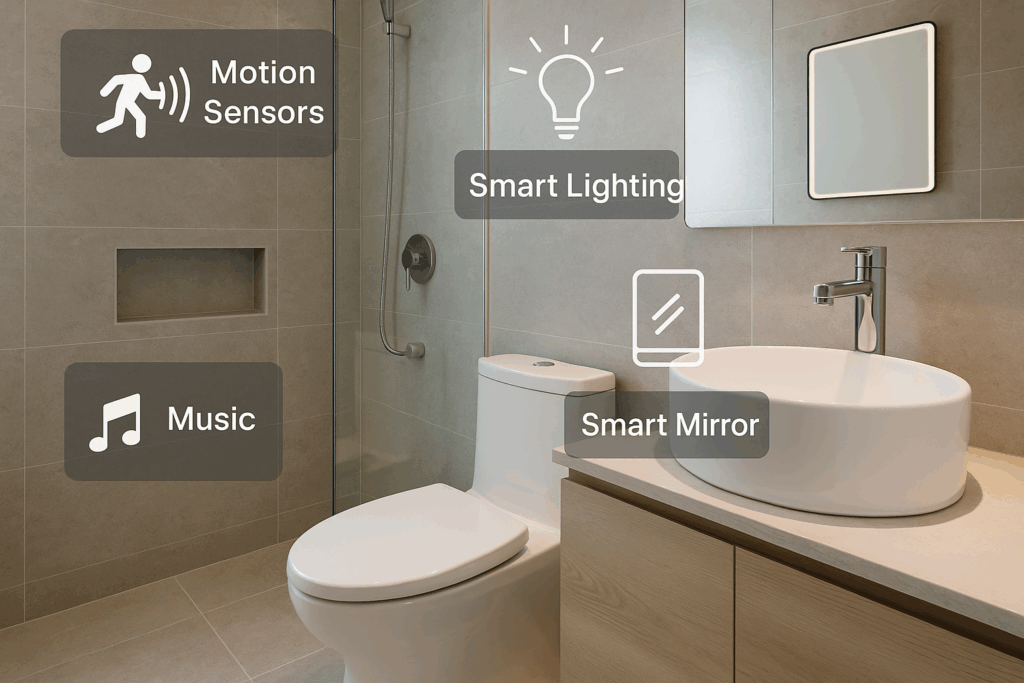
Mornings set the tone for your entire day. But let’s be honest — they’re not always smooth. Whether you’re rushing to make coffee, stumbling in the dark for the light switch, or forgetting to adjust the thermostat, the early hours can be chaotic. That’s where smart home automation steps in to make your mornings calmer, more productive, and even a little luxurious. In this post, we’ll show you how to build a smart morning routine using home automation tools — turning your home into your personal morning assistant. Step 1: Wake Up Gently with Smart Lighting and Audio Forget blaring alarms. A better way to wake up is gradually and naturally. Try This: Step 2: Automate Your Climate Control No one likes stepping out of bed into a freezing room. Try This: Step 3: Start Brewing — Automatically You don’t need to manually start your coffee anymore. Try This: Step 4: Get Real-Time Updates and Reminders Stay ahead of your schedule with personalized updates. Try This: Step 5: Automate Bathroom and Closet Comfort Yes, even your bathroom can be smart. Try This: Step 6: Secure and Set the House for the Day As you leave, let your house secure itself. Try This: Bonus Tips: Creating the Routine You can use apps like: Final Thoughts Creating a smart morning routine isn’t about adding complexity — it’s about removing it. With the right automation setup, your home becomes an active partner in your day, freeing up time and energy to focus on what matters most. Whether you want to sleep better, move faster, or just start the day with less stress, smart home automation can help you get there.

Uncategorized

How to Set Up a Smart Home on a Budget

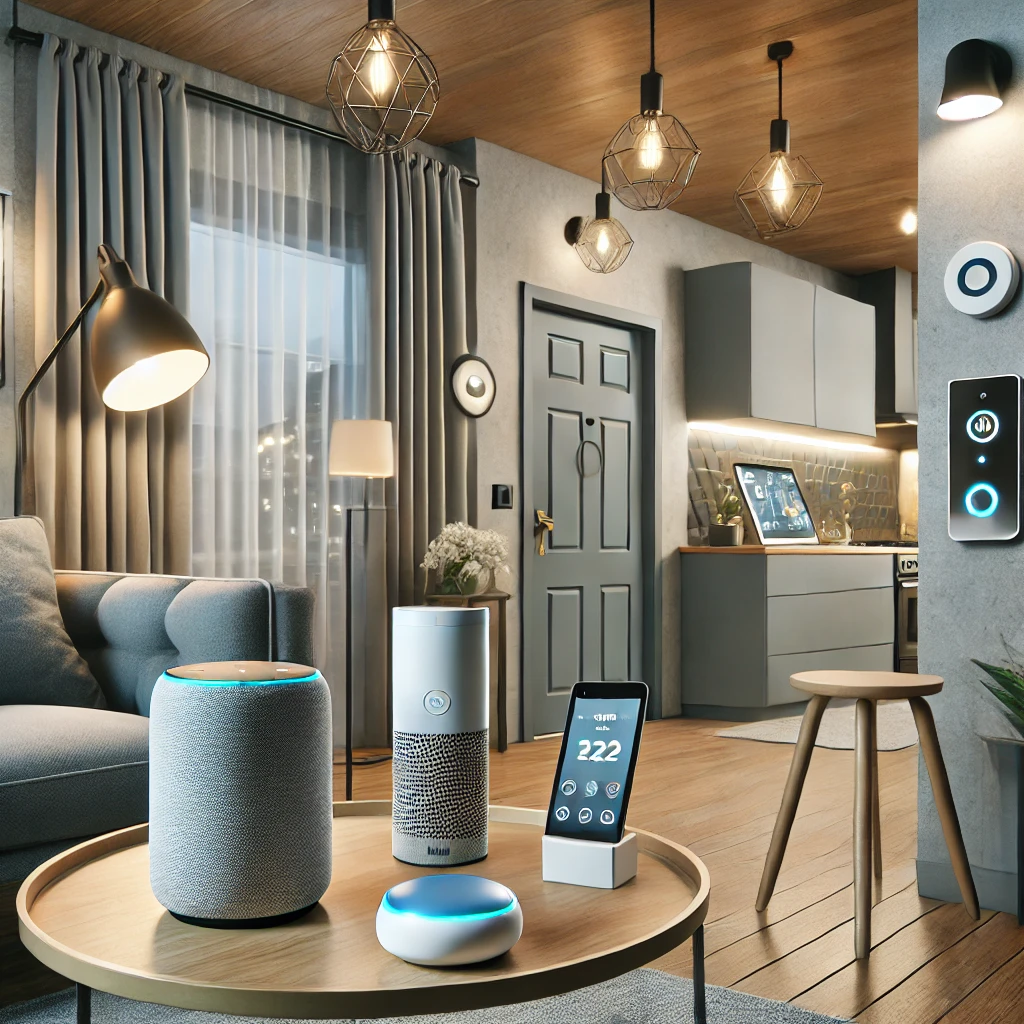
Home automation no longer requires a hefty investment. With affordable smart devices and DIY solutions, you can turn your home into a smart home without breaking the bank. In this guide, we’ll explore cost-effective ways to set up a smart home while maximizing convenience and security. Step 1: Choose a Smart Home Ecosystem Before purchasing devices, decide on a smart home ecosystem to ensure compatibility. The three most popular ecosystems are: 💡 Tip: Choose one ecosystem to avoid compatibility issues and reduce costs. Step 2: Start with a Smart Speaker or Display A smart speaker or display acts as the central control hub for your home automation. Budget-friendly options include: 💡 Tip: Buy during sales events like Diwali or Amazon Great Indian Festival for the best prices. Step 3: Automate Your Lights on a Budget Smart lighting is an easy and affordable way to start home automation. Budget-friendly options include: 💡 Tip: Use LED smart bulbs to save energy and reduce electricity bills. Step 4: Enhance Security with Affordable Smart Devices Boost security with budget-friendly smart home gadgets: 💡 Tip: Start with a single camera at entry points before expanding your setup. Step 5: Smart Thermostats for Energy Savings While high-end thermostats like Nest Learning Thermostat can be expensive, budget-friendly options exist: 💡 Tip: Some utility companies offer rebates for purchasing smart thermostats. Step 6: Automate Small Appliances with Smart Plugs Instead of replacing appliances, use smart plugs to automate non-smart devices: 💡 Tip: Set up schedules for coffee makers, fans, or lamps to save electricity. Step 7: Control Everything with a Budget-Friendly Smart Hub (Optional) A smart hub helps control multiple devices from different brands. Budget-friendly options: 💡 Tip: A smart hub is optional; most budget-friendly setups can work without one. Conclusion Setting up a smart home on a budget is entirely possible with careful planning. Start small, look for deals, and expand gradually. With an investment of around ₹8,000-₹16,000, you can automate lighting, security, and appliances, making life easier and more efficient. Quick Budget Smart Home Checklist ✅ Smart Speaker (₹2,500-₹4,000)✅ Smart Bulbs or Plugs (₹800-₹1,600 each)✅ Smart Doorbell or Security Camera (₹3,000-₹5,000)✅ Smart Thermostat (₹5,000-₹8,000)✅ Smart Hub (Optional) Would you like recommendations for specific brands or a step-by-step setup guide? Let us know in the comments! 🚀

Uncategorized

How Smart Switches Can Help You Save Energy and Lower Bills

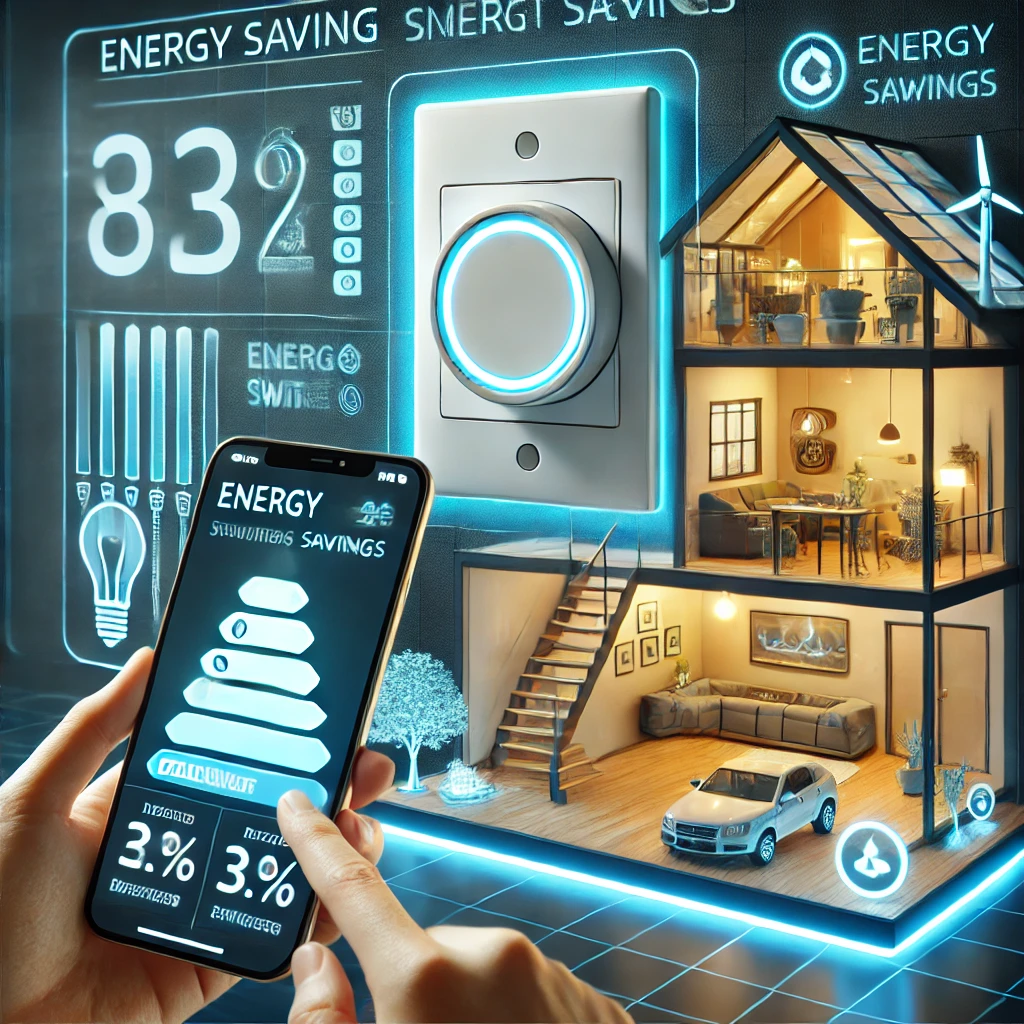
In today’s world, energy efficiency is more important than ever. With rising electricity costs and growing environmental concerns, finding ways to reduce energy consumption is a top priority for many homeowners. One simple yet effective solution is installing smart switches. These innovative devices not only add convenience to your home but also help you save energy and lower your utility bills. What Are Smart Switches? Smart switches are advanced replacements for traditional light switches that allow you to control lighting and other connected devices remotely via a smartphone app, voice commands, or automation schedules. They integrate with smart home ecosystems like Amazon Alexa, Google Home, and Apple HomeKit, providing seamless control over your home’s lighting and energy usage. Ways Smart Switches Help Save Energy 1. Automated Scheduling and Timers Smart switches let you set schedules and timers for your lights and appliances, ensuring they turn off when not needed. For example: By preventing unnecessary usage, you reduce energy waste and cut down on electricity bills. 2. Motion and Occupancy Sensors Some smart switches come with motion and occupancy sensors, which automatically turn lights on when someone enters a room and off when they leave. This feature is particularly useful in spaces like: By ensuring lights are only on when needed, you can significantly reduce energy consumption. 3. Remote Access and Control Have you ever left home and worried about whether you left the lights on? With smart switches, you can check and control your lights remotely via a mobile app. If you forgot to turn off a light, you can do it with a tap on your phone—no wasted energy, no unnecessary costs. 4. Integration with Smart Home Ecosystems Smart switches integrate with other smart home devices to optimize energy efficiency. For example: This interconnected system ensures that your home runs efficiently without manual intervention. 5. Dimming Capabilities for Energy Reduction Unlike traditional switches, most smart switches support dimmable lighting, allowing you to use only the necessary amount of light. Lower brightness levels mean lower energy consumption, resulting in long-term savings on electricity costs. 6. Energy Monitoring and Insights Many smart switches provide real-time energy usage reports, helping you understand how much power each connected device consumes. With this data, you can: How Much Can You Save? The exact savings depend on your usage patterns, but studies show that smart lighting solutions can reduce energy consumption by up to 30%. If your lighting makes up 10-15% of your electricity bill, switching to smart controls could lead to noticeable monthly savings. Final Thoughts Smart switches are an affordable and effective way to make your home more energy-efficient. By enabling automation, remote access, and energy monitoring, they help eliminate unnecessary electricity usage—leading to lower utility bills and a more sustainable home. If you’re looking for a simple upgrade with big benefits, investing in smart switches is a smart move!

Uncategorized

What is Smart thermostat and how it is useful in home ?

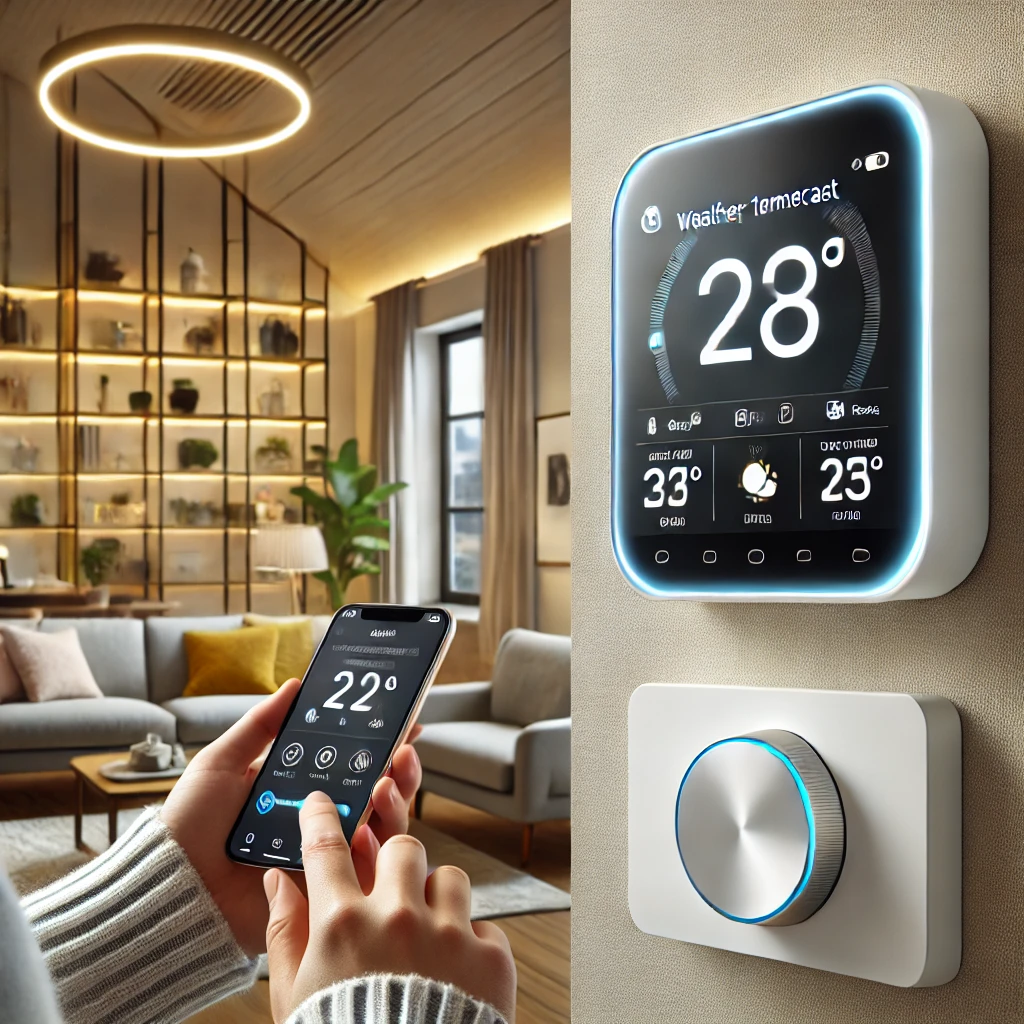
What is a Smart Thermostat? A smart thermostat is an advanced thermostat that connects to Wi-Fi and allows users to control the temperature of their home remotely using a smartphone, tablet, or voice assistants like Alexa, Google Assistant, or Siri. Unlike traditional thermostats, smart thermostats learn user preferences, optimize energy usage, and can be programmed to adjust heating and cooling automatically. How is a Smart Thermostat Useful in Homes?

Uncategorized

Best automation company in india

In a world where efficiency is king, industrial automation reigns supreme. But with countless companies vying for the throne in India’s booming tech landscape, how do you separate the pretenders from the true innovation leaders? The quest for the best automation company in India can feel like searching for a needle in a haystack. Imagine transforming your business with cutting-edge automation solutions, skyrocketing productivity, and leaving competitors in the dust. Sounds enticing, right? But the wrong choice could lead to costly setbacks and missed opportunities. That’s why we’ve done the heavy lifting for you, compiling a definitive list of India’s top 10 industrial automation powerhouses. In this comprehensive guide, we’ll not only reveal these industry titans but also answer your burning questions about choosing the perfect automation partner. Ready to revolutionize your operations and propel your business into the future? Let’s dive into the world of India’s automation elite! 🚀 Top 10 Industrial Automation Companies in India A. Unseen Era Unseen Era stands out as a leading automation company in India, revolutionizing the industrial landscape with its cutting-edge solutions. Their expertise lies in developing innovative automation technologies that streamline manufacturing processes and boost productivity. Key features of Unseen Era: Strengths Specializations Innovation Industrial IoT Scalability Robotics Cost-effectiveness Machine Learning Customer support Process Automation B. Siemens India Siemens India, a subsidiary of the global powerhouse Siemens AG, has established itself as a formidable player in the Indian automation sector. With decades of experience and a vast portfolio of products and services, Siemens India offers comprehensive automation solutions for various industries. Siemens India’s key offerings: Industry Focus Technologies Manufacturing PLCs Energy SCADA systems Healthcare Industrial Networks Infrastructure Motion Control C. Conclusion While Unseen Era and Siemens India represent the pinnacle of automation excellence in India, the country boasts several other notable players in this field. These companies are driving India’s industrial growth by enhancing efficiency, reducing costs, and improving product quality through advanced automation technologies.

Scroll to Top